Operations
OCTOBER 2026
Building the infrastructure to keep mining moving
Behind every ounce of gold produced at Fosterville is a network of critical infrastructure to support day-to-day operations.
While mining often brings to mind underground development and processing activities, a significant amount of planning and investment goes into the projects that support these activities and help the site operate safely and efficiently.
From ventilation and tailings management, to paste fill and waste rock storage facilities, these projects are critical to the mine’s long-term future.
The recent approval of two Work Plan Variations (WPVs) – with a third currently being prepared – has seen key infrastructure projects identified in the Sustained Operations Project EES, move from planning into construction.
Projects currently under construction
Northern Ventilation Shaft
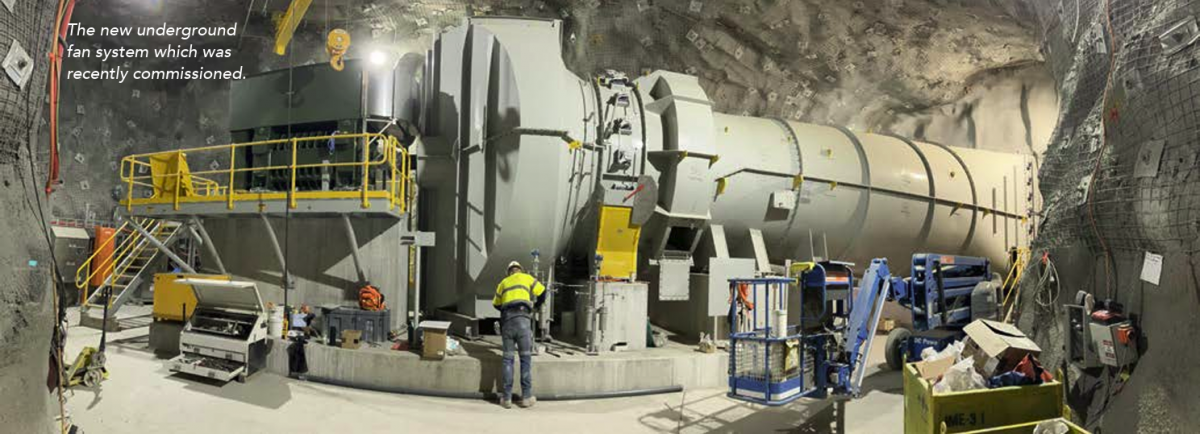
Earlier this year, Fosterville commissioned a new underground fan system as part of its long-term ventilation upgrade program, which helps helps circulate fresh air to the underground workings.
Building on this work, construction has now commenced on the Northern Ventilation Shaft following WPV approval.
Once complete, the shaft will support ventilation requirements in the northern areas of the mine and complement the site’s broader ventilation network.
Tailings Storage Facility (TSF) 5
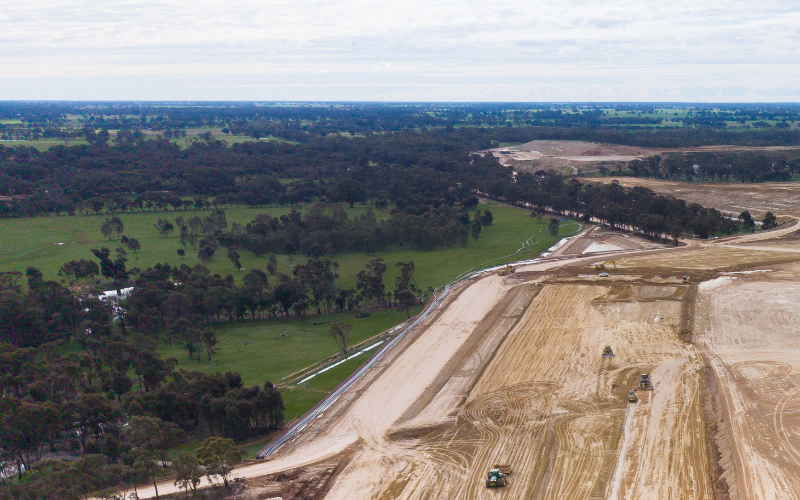
Construction of the TSF5 began in September 2025, with the marking out the site, installation of perimeter fencing, establishment of water-flow drainage and vegetation clearing. Early civil earthworks took place Oct-Dec 2025.
In January, a larger local bulk-earthworks contractor took over to complete the remaining works and foundation preparation, including excavation of the embankment keyway and removal of unsuitable material from the basin area. Both the embankment and basin foundations are now fully completed.
The project is now in the main construction phase of building the embankment, which will be finalised in January 2027. A specialist HDPE liner contractor will arrive in November to install the liner across the basin and up the embankment walls, including finger drains along the entire basin area.
Following liner installation, the team will install monitoring instruments, electrical services, and pumping systems. Completion of the TSF5 is expected be in late July 2027, with commissioning in September, following safety and environmental checks.
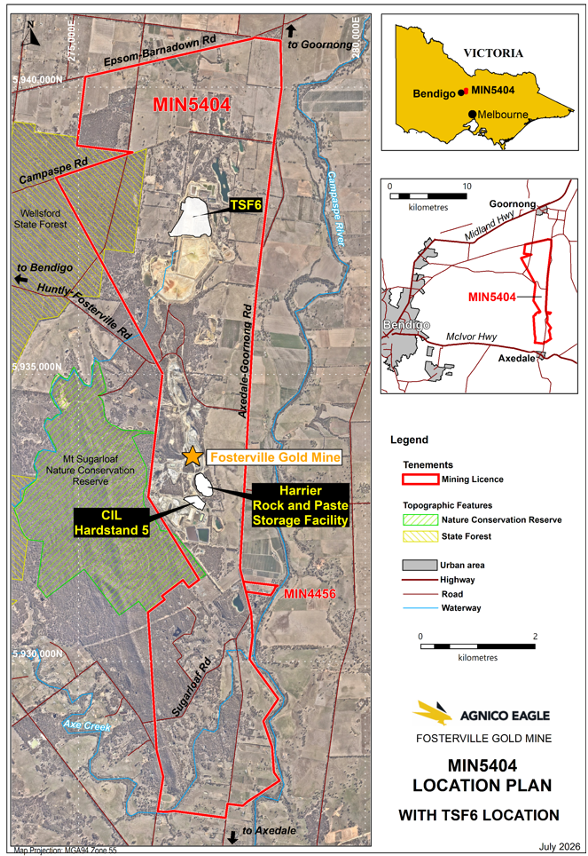
WPV 3 projects The proposed projects in the third WPV include:
- Tailings Storage Facility 6 (TSF6),
- CIL (carbon-in-leach) Hardstand 5; and
- the Harrier Rock and Paste Storage Facility.
Each has a different purpose, but forms part of the infrastructure needed to support ongoing mining and processing operations. Tailings Storage Facility 6 TSF6 is proposed as a new flotation and neutralisation tailings storage facility within Fosterville’s existing tailings precinct. Covering approximately 34 hectares, the facility would be located adjacent to the existing TSF1 and has been designed to integrate with the current tailings facilities to create a continuous landform.
The design maintains a 100-metre setback from Gunyah Creek and makes use of previously disturbed land where possible. The final height would align with the approved height of TSF1, ensuring the broader tailings precinct remains a consistent height. ;
CIL Hardstand 5
The site’s processing plant produces two main types of tailings during gold extraction: flotation and neutralisation tailings, and carbon-inleach (CIL) tailings.
CIL Hardstand 5 is proposed to provide additional storage capacity of CIL tailings within the existing CIL Precinct in the southern area of the site. Located adjacent to current CIL Hardstand 4, the new facility would cover approximately five hectares with its design and construction consistent with other hardstands throughout the existing CIL precinct.
The facility would match approved heights across the broader CIL area, supporting consistency in the site’s long-term landform planning.
Harrier Rock and Paste Storage Facility
The third project involved in WPV 3 is the Harrier Rock and Paste Storage Facility.
The facility would be developed on top of the partially backfilled Harrier Pit, providing additional storage for waste rock generated through mining.
As part of the design, paste material generated from underground mining activities would remain within the boundaries of the pit before being covered and encapsulated with waste rock as part of the final landform.
Not all material produced during processing is destined for surface storage facilities. Since 2019, Fosterville has used paste fill to return suitable tailings back underground.
By combining flotation and neutralisation tailings with water and binder, the material can be used to fill mined-out areas underground.
FGM currently uses paste fill to backfill underground voids in the Phoenix and Harrier mining areas. The operation is now exploring whether a similar approach could be used in the Robbins Hill mining areas, where cemented rock fill is currently used.
Because Robbins Hill is located several kilometres from the existing paste plant, transporting paste via a pipeline from the existing paste plant is not practical.
To support potential future use of paste fill, FGM is investigating the option of constructing a new Northern Paste Plant closer to the Robbins Hill mining area.
As this project was not included in the Sustained Operations Project EES, further work is underway to confirm design and approval requirements.
The proposed project was also discussed at the recent ERC and GNG quarterly meetings, with feedback from the community informing some of the initial design requirements.
Map showing the location of the proposed WPV 3 projects
|
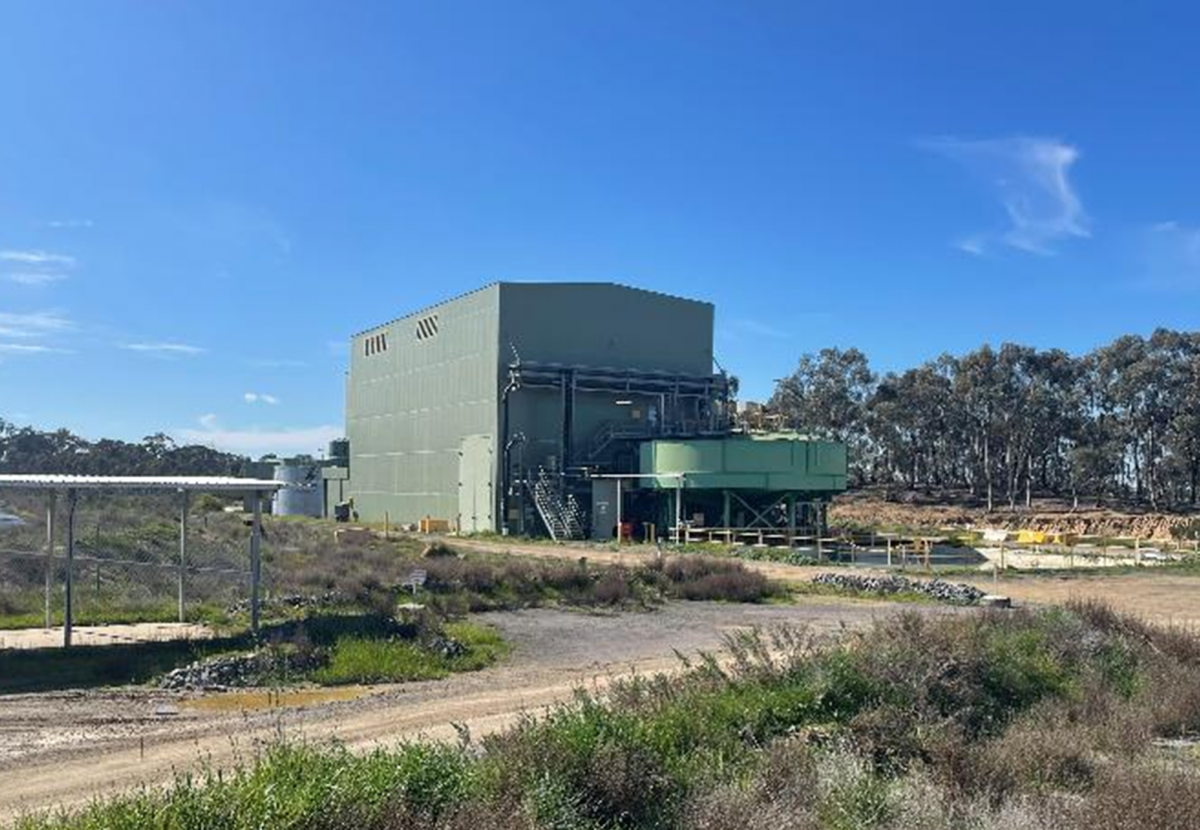
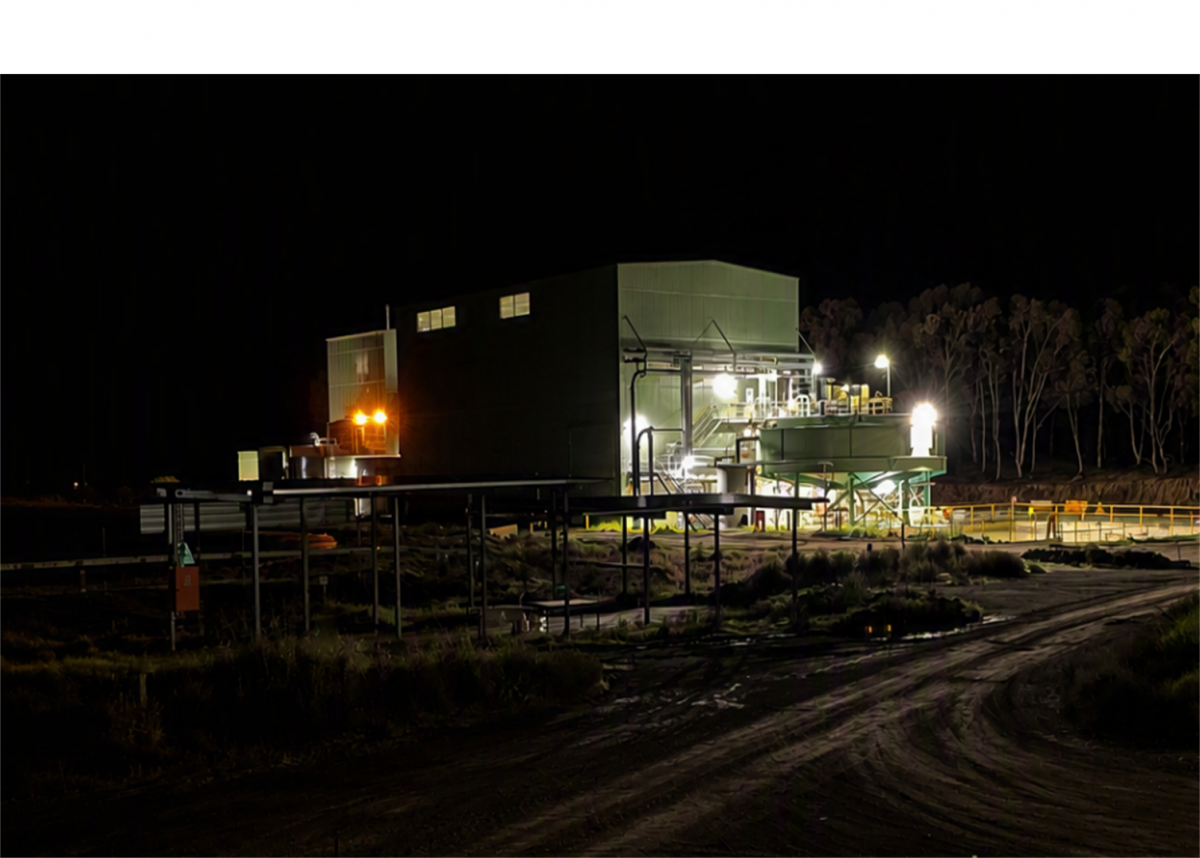
Because Robbins Hill is located several kilometres from the existing southern paste plant (shown below during the day and night), transporting paste via pipeline from the current facility is not practical, hence the need for a northern paste plant located closer to the Robbins Hill mining area.
|
DOWNLOADS